All You Required to Learn About Robotic Vision and Its Applications in Advanced Optical Dimension Systems
Robotic vision represents a significant advancement in the intersection of computer system vision, expert system, and artificial intelligence. This technology boosts the precision of optical dimension systems, allowing real-time data analysis and improved quality control. Its effect spans numerous markets, from making to medical care. The evolving landscape of robot vision elevates inquiries regarding future capabilities and applications. What innovations exist ahead in this transformative field?
Recognizing Robotic Vision: Key Concepts and Technologies
Robotic vision includes the technologies and methodologies that make it possible for machines to interpret and recognize visual info from their environment. This field combines elements of computer system vision, synthetic knowledge, and maker learning to facilitate computerized decision-making based on aesthetic information. Key principles consist of image handling, which involves the enhancement and analysis of pictures to extract significant functions, and item acknowledgment, which allows machines to determine and classify items within a scene.
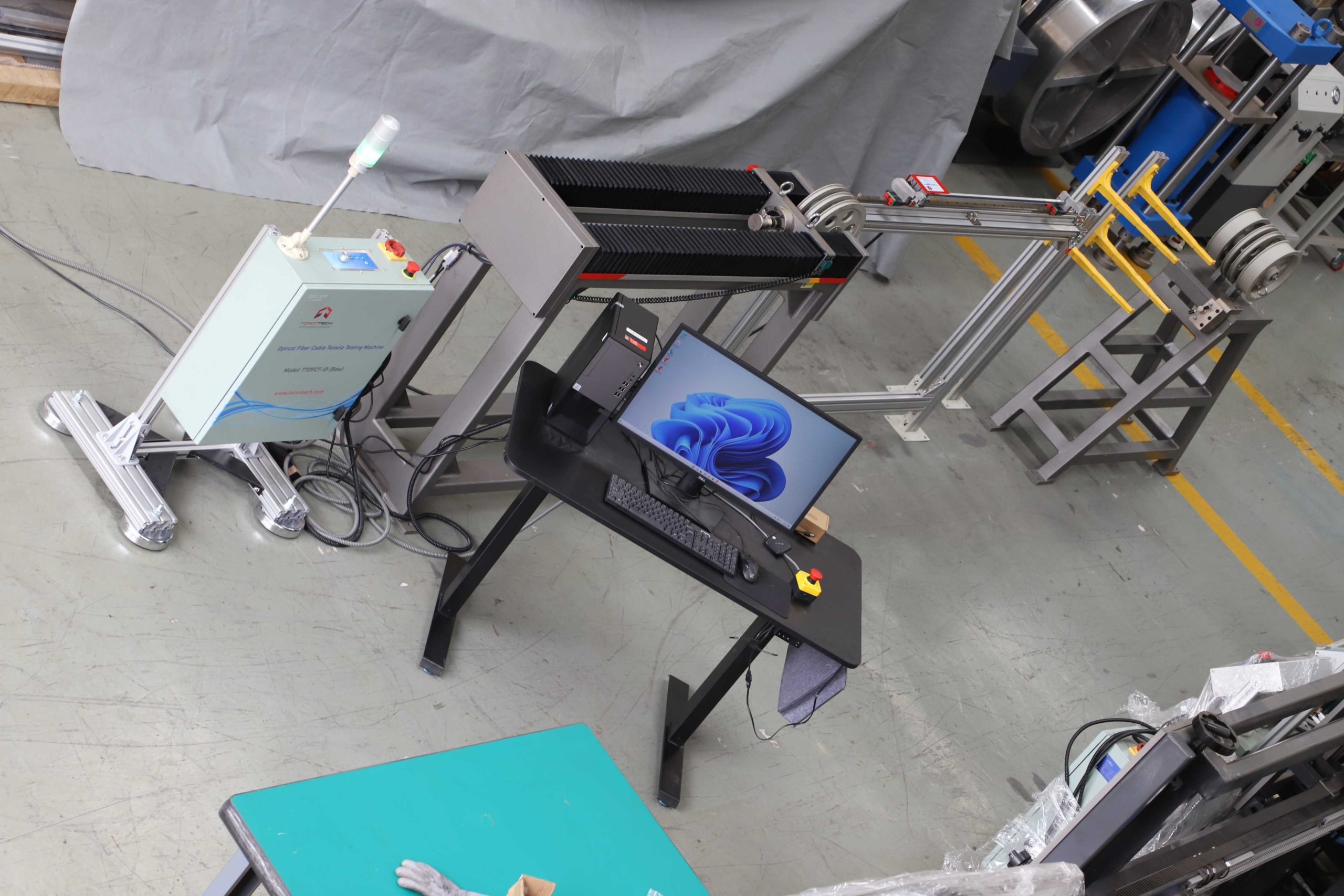
The Combination of Robotic Vision With Optical Dimension Equipments
As markets progressively require accuracy and effectiveness, the assimilation of robot vision with optical measurement systems has actually become a transformative technique. This harmony permits robots to perceive and translate their environments, boosting the capability of optical measurement systems to examine and analyze items with unequaled precision. By gearing up optical sensors with innovative imaging innovations, robot vision enables real-time data collection and processing, promoting instant changes to dimension specifications.
The combination encourages automated systems to find variants in measurements, surface top quality, and alignment, which are critical in high quality control procedures. Improved formulas, such as artificial intelligence, more enhance this combination by enhancing the systems' capability to adapt to different atmospheres and situations. The assimilation not just streamlines dimension procedures however likewise minimizes errors, guaranteeing that products fulfill stringent market criteria, thus strengthening the duty of robotic vision in the future of optical measurement systems.
Applications of Robotic Vision in Production
In modern manufacturing atmospheres, making use of vision systems has transformed production processes by allowing makers to carry out tasks with exceptional accuracy and speed. Robotic vision systems are significantly used for quality assurance, where they evaluate products for defects and assurance adherence to requirements. These systems make use of cameras and progressed algorithms to examine products in real-time, substantially decreasing the risk of human error.
Furthermore, robot vision promotes automation in production line, allowing robots to accurately recognize elements and assemble them with marginal downtime. This modern technology also boosts inventory administration, as vision systems can keep an eye on supply degrees and identify inconsistencies, ensuring a seamless supply fibre testing equipment chain.
In addition, robot vision aids in the implementation of clever manufacturing facilities, where data from vision systems can be incorporated with various other technologies to maximize operations. Generally, the applications of robot vision in making show its vital duty in improving effectiveness, high quality, and productivity across various markets
Robotic Vision in Health Care: Revolutionizing Client Care

In recovery, robot vision aids in keeping track of patient progression and tailoring therapy sessions to individual needs. It supports doctor by automating tasks such as information collection and person surveillance, permitting for even more time to concentrate on straight patient interaction. In addition, robot vision enhances telemedicine by allowing remote diagnosis and digital appointments, bridging the gap in between clients and health care providers. On the whole, the application of robotic vision in health care is reinventing client treatment, leading to boosted results, effectiveness, and individual contentment.
Future Trends and Developments in Robotic Vision Innovation
The rapid development of robotic vision technology guarantees to better boost its applications throughout different markets, consisting of medical care. Future trends indicate a significant shift towards incorporating fabricated intelligence and artificial intelligence, making it possible for systems to gain from huge datasets and boost accuracy in time. Boosted sensor technologies and deep understanding formulas are anticipated to fine-tune object acknowledgment capacities, permitting robotics to translate complicated environments more efficiently.

Moreover, the assimilation of enhanced fact (AR) with robot vision will likely transform how robotics help in procedures and diagnostics. This harmony will certainly promote real-time data visualization, boosting decision-making processes. Furthermore, miniaturization of components will result in even more small and functional robotic vision systems appropriate for a variety of jobs. As these developments unravel, industries will witness boosted automation and effectiveness, solidifying robot vision as a foundation of innovative technical remedies.
Often Asked Concerns
What Are the Key Components of a Robot Vision System?
The primary parts of a robot vision system include video cameras for picture capture, cpus for information analysis, formulas for analysis, and actuators for motion. Together, these components enable robots to regard and connect with their environment properly.
Exactly How Does Robotic Vision Improve Accuracy in Measurements?
Robotic vision boosts dimension precision by utilizing sophisticated imaging innovations, making it possible for accurate things discovery and spatial analysis. This capacity decreases human mistake, increases repeatability, and enables real-time changes, inevitably enhancing general measurement reliability and effectiveness.
What Industries Benefit The Majority Of From Robotic Vision Technology?
Numerous sectors profit considerably from robotic vision innovation, including manufacturing, healthcare, agriculture, and logistics. These fields make use of improved precision, effectiveness, and automation, causing enhanced efficiency and decreased operational prices in their respective procedures.
Can Robotic Vision Solutions Work in Low-Light Conditions?
Robotic vision systems can without a doubt work in low-light problems, utilizing advanced sensors and formulas to improve picture clarity. This ability allows them to perform efficiently in different environments, consisting of commercial and monitoring applications, despite having marginal illumination.
What Are the Prices Linked With Applying Robotic Vision?
The expenses related to applying robot vision differ considerably, influenced by components such as cameras, software program, and combination. Extra expenses include maintenance, training workers, and possible upgrades to existing systems, which can build up in time.